When you’re ready to refresh a room or stage an event, the right décor can turn a bland space into a memorable experience. This guide shows how to use Idiom Decor—whether it’s a charming tea‑party setup or a functional event venue—to create a stylish, budget‑friendly atmosphere that feels like home.
Step 1: Define Your Mood with Color and Texture
Start by choosing a color palette that reflects the event’s vibe. Soft pastels work well for tea parties, while muted neutrals or bold accents suit corporate gatherings. Mix textures—cotton tablecloths, lace napkins, and woven baskets—to add depth without overwhelming the space.
- Use a primary color for walls or backdrop.
- Add accent colors through throw pillows or floral arrangements.
- Incorporate natural textures for a tactile feel.
Step 2: Create a Focal Point with Centerpieces
A striking centerpiece draws guests’ attention and sets the tone. For a tea party, think tiered trays of pastries with fresh flowers. For a corporate event, opt for sleek, modern vases or a branded banner.
- Keep centerpieces low enough to allow conversation.
- Use recycled or upcycled items to keep costs low.
- Rotate seasonal flowers to stay current.
Step 3: Layer Lighting for Atmosphere
Lighting is essential for mood. Soft LED candles, fairy lights, and paper lanterns create an intimate tea‑party feel, while spotlights or LED strips highlight stages or presentation areas in a business setting.
- Position lights to avoid glare on screens.
- Use dimmers for adjustable ambiance.
- Consider battery‑powered options for flexible placement.
Step 4: Add Functional Decor to Serve Guests
Functional décor—like stylish trays, themed coasters, or branded signage—combines aesthetics with practicality. Ensure every piece has a purpose, whether it’s holding tea cups or displaying event information.
- Label beverage stations with clear signage.
- Use themed placemats to guide guests.
- Provide ample storage for personal items.
Step 5: Embrace the Venue’s Architecture
Adapt your décor to the space’s features. In a large hall, focus on vertical elements like hanging lanterns; in a small kitchen setting, emphasize tabletop arrangements and open-plan layouts.
- Use rugs to define areas in open spaces.
- Highlight windows with sheer curtains for natural light.
- Arrange furniture to encourage conversation and movement.
Case Study: Affordable Tea Party Setup

The photo showcases a simple yet elegant tea party. Key elements: a pastel tablecloth, tiered cake stands with fresh pastries, and soft string lights. This look proves that with thoughtful color choices and layered lighting, you can create a sophisticated atmosphere without breaking the bank.
Case Study: Versatile Event Space Design
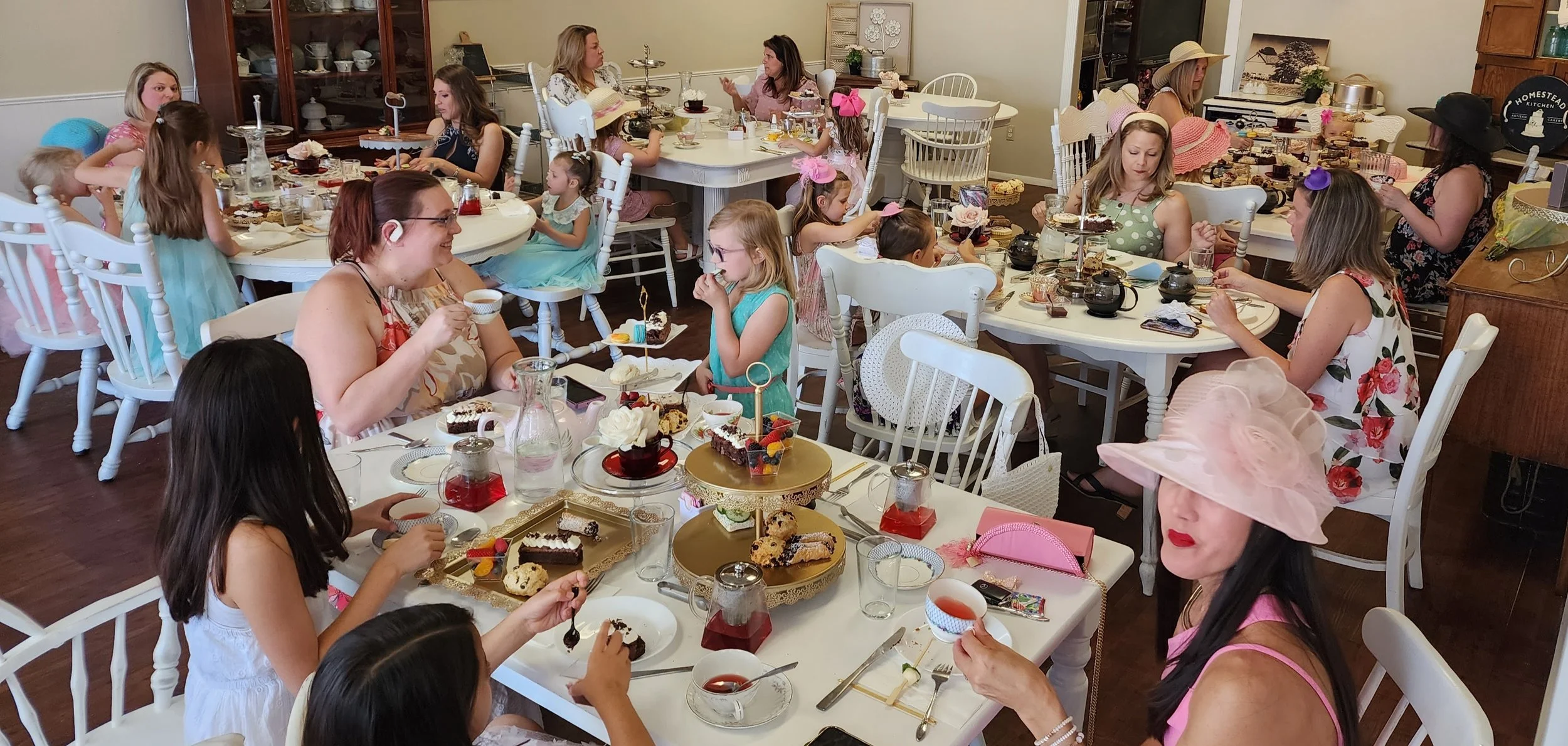
Here, the Homestead Kitchen LLC venue demonstrates how modular furniture and subtle branding create a flexible environment. The setup includes movable tables, adjustable lighting, and discreet signage—ideal for hosting both intimate gatherings and larger events.
Final Tips for a Seamless Transformation
- Plan Ahead: Sketch a layout before purchasing decor to avoid last‑minute changes.
- Prioritize Quality: Invest in durable items that can be reused or repurposed.
- Invite Feedback: After the event, ask guests what worked and what could improve.
Transforming a space with Idiom Decor is all about intentional design, smart budgeting, and attention to detail. By defining your mood, selecting focal points, and layering functional elements, you can create an inviting atmosphere that meets your audience’s expectations while staying within your budget.
When you’re ready to refresh a room or stage an event, the right décor can turn a bland space into a memorable experience. This guide shows how to use Idiom Decor—whether it’s a charming tea‑party setup or a functional event venue—to create a stylish, budget‑friendly atmosphere that feels like home.
Step 1: Define Your Mood with Color and Texture
Start by choosing a color palette that reflects the event’s vibe. Soft pastels work well for tea parties, while muted neutrals or bold accents suit corporate gatherings. Mix textures—cotton tablecloths, lace napkins, and woven baskets—to add depth without overwhelming the space.
- Use a primary color for walls or backdrop.
- Add accent colors through throw pillows or floral arrangements.
- Incorporate natural textures for a tactile feel.
Step 2: Create a Focal Point with Centerpieces
A striking centerpiece draws guests’ attention and sets the tone. For a tea party, think tiered trays of pastries with fresh flowers. For a corporate event, opt for sleek, modern vases or a branded banner.
- Keep centerpieces low enough to allow conversation.
- Use recycled or upcycled items to keep costs low.
- Rotate seasonal flowers to stay current.
Step 3: Layer Lighting for Atmosphere
Lighting is essential for mood. Soft LED candles, fairy lights, and paper lanterns create an intimate tea‑party feel, while spotlights or LED strips highlight stages or presentation areas in a business setting.
- Position lights to avoid glare on screens.
- Use dimmers for adjustable ambiance.
- Consider battery‑powered options for flexible placement.
Step 4: Add Functional Decor to Serve Guests
Functional décor—like stylish trays, themed coasters, or branded signage—combines aesthetics with practicality. Ensure every piece has a purpose, whether it’s holding tea cups or displaying event information.
- Label beverage stations with clear signage.
- Use themed placemats to guide guests.
- Provide ample storage for personal items.
Step 5: Embrace the Venue’s Architecture
Adapt your décor to the space’s features. In a large hall, focus on vertical elements like hanging lanterns; in a small kitchen setting, emphasize tabletop arrangements and open-plan layouts.
- Use rugs to define areas in open spaces.
- Highlight windows with sheer curtains for natural light.
- Arrange furniture to encourage conversation and movement.
Case Study: Affordable Tea Party Setup
The photo showcases a simple yet elegant tea party. Key elements: a pastel tablecloth, tiered cake stands with fresh pastries, and soft string lights. This look proves that with thoughtful color choices and layered lighting, you can create a sophisticated atmosphere without breaking the bank.
Case Study: Versatile Event Space Design
Here, the Homestead Kitchen LLC venue demonstrates how modular furniture and subtle branding create a flexible environment. The setup includes movable tables, adjustable lighting, and discreet signage—ideal for hosting both intimate gatherings and larger events.
Final Tips for a Seamless Transformation
- Plan Ahead: Sketch a layout before purchasing decor to avoid last‑minute changes.
- Prioritize Quality: Invest in durable items that can be reused or repurposed.
- Invite Feedback: After the event, ask guests what worked and what could improve.
Transforming a space with Idiom Decor is all about intentional design, smart budgeting, and attention to detail. By defining your mood, selecting focal points, and layering functional elements, you can create an inviting atmosphere that meets your audience’s expectations while staying within your budget.
